The benefits of virtual reality in medical school

Medical education through VR can be applied through 2 areas:
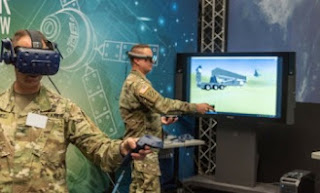
The first is about using virtual reality (VR) for improving technical skills that need significant 3D visualization, such procedural skills. It has been used, for example, in the study of anatomy, surgical techniques, and vital skills like cardiopulmonary resuscitation (CPR). The primary tools for teaching these abilities include screen-based virtual reality (VR) for surgical procedures and 3D visualization, as well as virtual worlds for training in reactions to stressful scenarios like CPR or emergency room scenarios.
A second, less explored topic, is using virtual reality (VR) to educate "soft skills" like empathy and patient communication. This frequently entails the employment of avatars, or virtual patients, that respond to user interactions in a certain way.
.jpg)
Comments